Mineral turpentine oil, commonly known as turpentine substitute or white spirit, is a clear, colorless liquid derived from petroleum. It is primarily composed of hydrocarbons, including aliphatic, aromatic, and alicyclic compounds. Here are some key characteristics and uses:
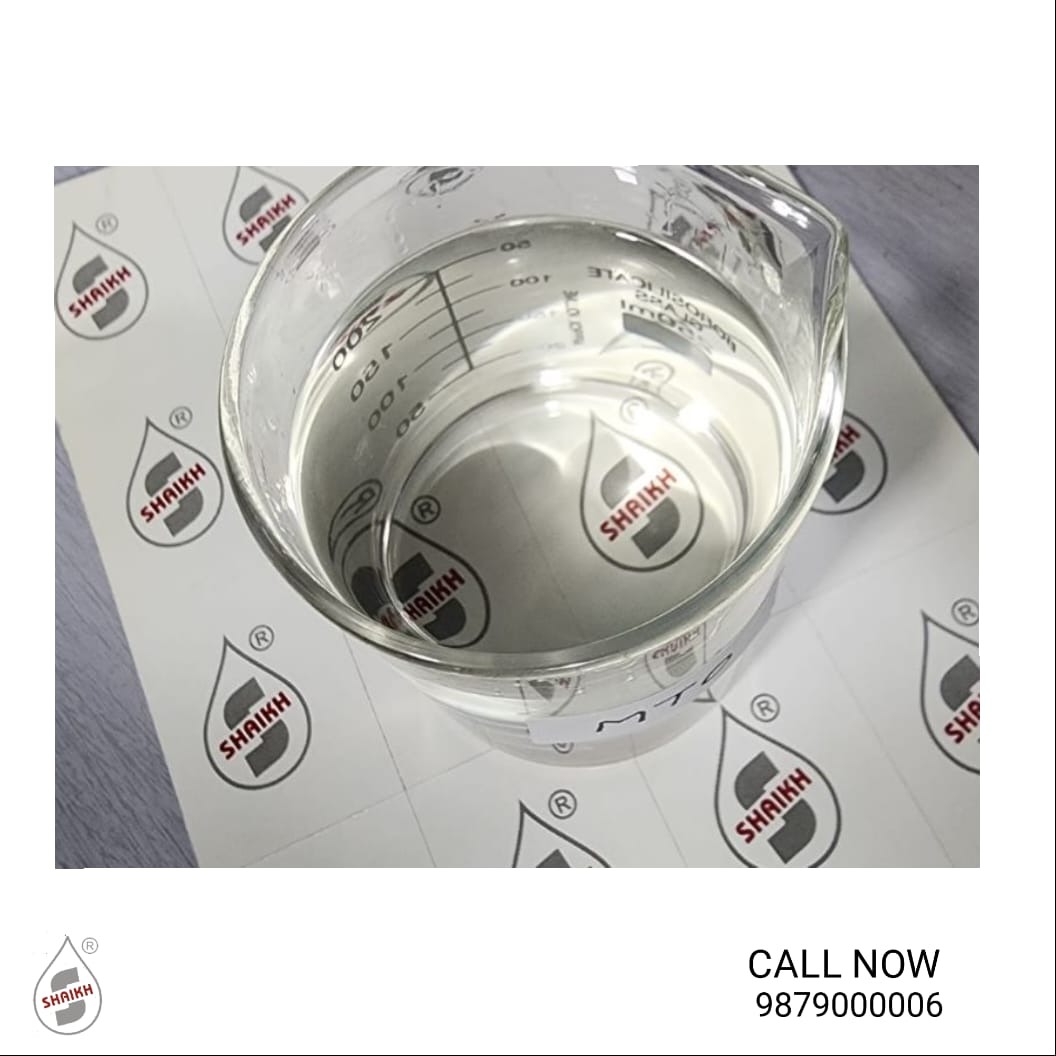
Appearance: Clear and colorless liquid.
Odor: Typically has a characteristic solvent-like odor.
Composition: Mainly consists of a mixture of aliphatic, aromatic, and alicyclic hydrocarbons. The exact composition can vary depending on the source and processing.
Solubility: Soluble in various organic solvents and insoluble in water.
Uses:
Industrial: Widely used as a solvent in paints, varnishes, and other coatings to dissolve pigments and resins.
Cleaning: Effective as a degreaser and cleaner for machinery, tools, and surfaces.
Thinning: Often used to thin oil-based paints and clean brushes and other painting equipment.
Adhesive Removal: Helps in removing adhesives and sticky residues from surfaces.
Wood Treatment: Used in wood preservation and treatment products.
Safety: While generally considered safe when used properly, it is flammable and should be handled with care. Adequate ventilation is necessary due to its solvent fumes.
Environmental Considerations: Mineral turpentine oil can have environmental impacts if not disposed of properly. Recycling and safe disposal methods are recommended to prevent contamination