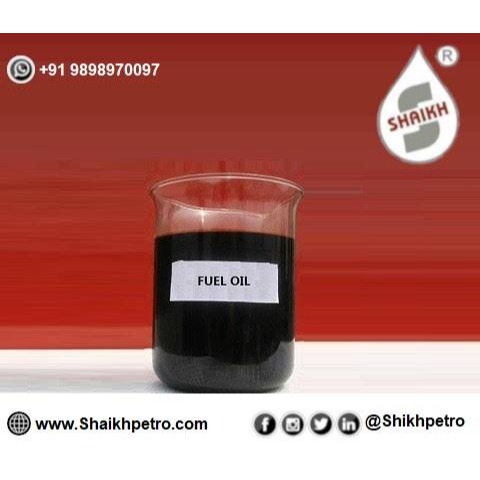
Properties of Fuel Oil
Viscosity: Fuel oil is characterized by its viscosity, which affects how it flows and burns. Higher viscosity oils require heating for efficient pumping and burning.
Composition: It is derived from crude oil through distillation and consists of hydrocarbons. Additives may be included to improve performance and reduce emissions.
Energy Content: Fuel oil has a high energy content, making it efficient for heating applications.
Types of Fuel Oil
No. 1 Fuel Oil:
Low sulfur content, making it cleaner burning.
Often used in outdoor heaters and in colder climates due to its lower viscosity.
No. 2 Fuel Oil:
The most commonly used heating oil in residential applications.
Has a higher viscosity than No. 1, suitable for residential boilers and furnaces.
No. 4 Fuel Oil:
A blend of No. 2 and heavier oils, often used in commercial heating applications.
No. 5 and No. 6 Fuel Oils:
Heavier oils typically used in industrial settings, power generation, and marine applications.
Applications
Residential Heating: Fuel oil is commonly used in oil-fired heating systems for homes.
Commercial Heating: Used in large buildings, warehouses, and schools.
Industrial Uses: Powers boilers, turbines, and other equipment in manufacturing.
Marine Fuel: Used in ships and boats, particularly in larger vessels that require high-energy output.
Environmental Considerations
Emissions: Burning fuel oil releases greenhouse gases and pollutants. Efforts are being made to transition to cleaner alternatives.
Regulations: Many regions have implemented strict regulations on sulfur content and emissions to mitigate environmental impact.
Alternative Fuels: There is a growing interest in biodiesel and other renewable fuels as alternatives to traditional fuel oils, which can significantly reduce carbon emissions.